66 days, not 21
Lally et al. (2010) — habits took an average of 66 days to become automatic (range 18–254); single missed days made no measurable difference.
The 91-Day Habit Workbook is built directly from the primary research. If you want the fuller story behind the system, start here — these four books are where the ideas were argued in full.
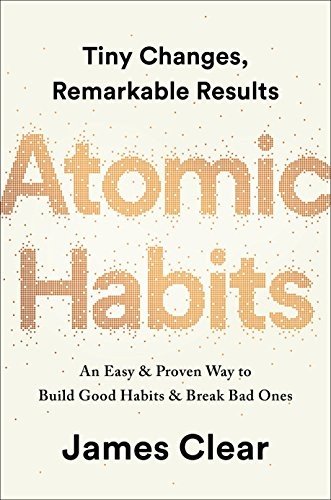
Cues, identity, and the power of 1% improvements — the case for tiny changes that compound.
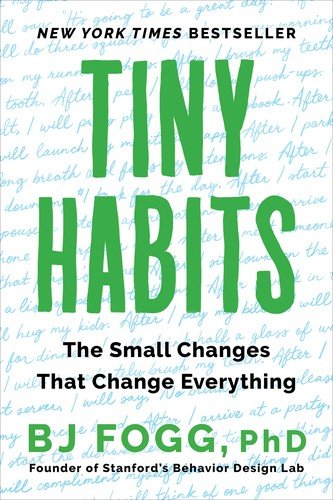
Starting smaller than feels reasonable, and wiring habits in through celebration.
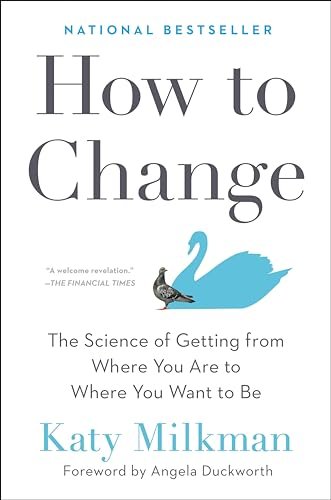
Fresh starts, flexible goals, and the behavioural science of getting from where you are to where you want to be.
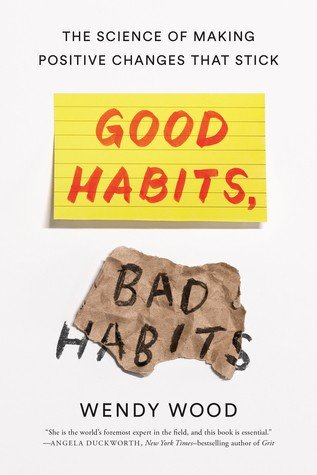
Context, friction, and how automaticity really forms — the research view of what makes habits stick.
The book titles above are independent works by their respective authors. The 91-Day Habit Workbook is not affiliated with, endorsed by, or connected to any of them; they are listed as recommended further reading. The links above are affiliate links that open each book's Amazon page.
The workbook cites its sources at the back. A few of the load-bearing findings:
Lally et al. (2010) — habits took an average of 66 days to become automatic (range 18–254); single missed days made no measurable difference.
Gollwitzer & Sheeran (2006) — deciding in advance exactly when and where you'll act substantially raises follow-through.
Harkin et al. (2016) — across 138 experiments, monitoring progress reliably improved behaviour; more frequent tracking worked better.
Sharif & Shu (2017; 2019) — goals with a limited, costly allowance for skips beat both rigid and easy goals.